Introduction to Acne (Pimples) and Ayurveda
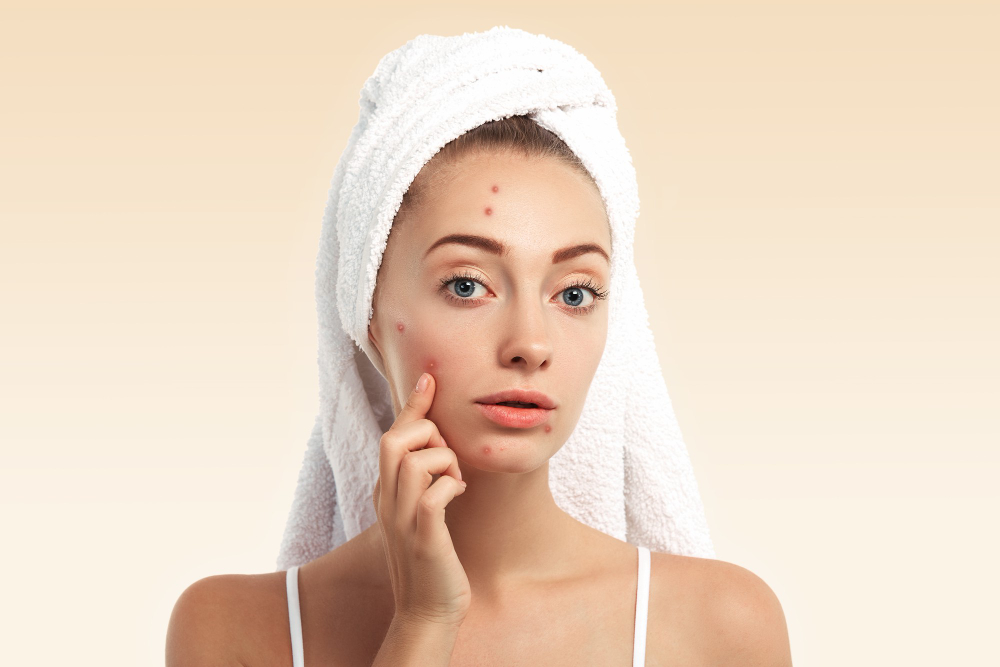
Acne, also known as pimples, is a common skin problem. Many people, especially teenagers, face this issue. The risk factors of acne can vary from person to person. Ayurveda, an ancient healing system from India, offers a unique view on why acne happens. While modern medicine focuses on bacteria and hormones, Ayurveda looks at body balance and lifestyle. In this blog, you will learn about the risk factors of acne, especially from an Ayurvedic perspective. You will also find tips on preventing pimples naturally and using Ayurvedic skin care methods.
What Are the Risk Factors of Acne Vulgaris?
Acne vulgaris is the medical term for common pimples. Several risk factors can increase your chances of getting acne. Understanding these can help you manage your skin better. Here are some main risk factors:
However, not everyone with these risk factors will get acne. Still, knowing them can help you take steps to prevent pimples naturally.
Ayurvedic View on Acne Risk Factors
Ayurveda explains acne as a result of imbalances in the body. According to Ayurveda, three energies—Vata, Pitta, and Kapha—control body functions. When these are out of balance, skin problems like pimples can occur. Especially, an increase in Pitta dosha (the fire element) is linked to acne. This can lead to heat and toxins building up in the skin. Ayurveda for pimples focuses on restoring balance and removing toxins.
Some Ayurvedic causes of acne include:
Therefore, Ayurveda in India often recommends lifestyle and diet changes to manage acne risk factors.
Lifestyle and Dietary Contributors
Both modern science and Ayurveda agree that lifestyle and diet play a big role in acne. For example, eating too much fried or sugary food can make pimples worse. In addition, not washing your face regularly can lead to clogged pores. Ayurveda suggests that certain habits can increase your risk of acne. Here are some lifestyle and dietary contributors:
Because these habits can disturb your body’s balance, it is important to follow healthy routines. This can help in preventing pimples naturally.
Prevention Tips Based on Ayurveda
Ayurvedic skin care focuses on balance and natural remedies. While results may vary, these tips can help reduce the risk factors of acne:
Additionally, Ayurveda for pimples often includes herbal supplements. However, always consult a qualified practitioner before starting any new remedy.
When to Seek Professional Help
Sometimes, home care and lifestyle changes may not be enough. If your acne is severe, painful, or leaves scars, you should seek help. For example, a dermatologist can offer medical treatments. Likewise, a qualified Ayurvedic practitioner can suggest personalized therapies. Early treatment can prevent long-term skin problems. Therefore, do not wait if your acne is getting worse or affecting your confidence.
Consult a qualified Ayurvedic practitioner for personalized advice on managing acne.