Introduction to Acne Vulgaris (Pimples)
Acne vulgaris, often called pimples, is a common skin problem. Many people, especially teenagers, experience it. However, adults can get acne too. Early recognition of symptoms helps in better care. In this blog, you will learn about the major symptoms of acne vulgaris. You will also see how Ayurveda views these signs.
Ayurvedic Understanding of Acne
Ayurveda, the traditional Indian system of medicine, calls acne “Yauvan Pidika.” According to Ayurveda, acne occurs due to an imbalance of the body’s doshas. These doshas are Vata, Pitta, and Kapha. Most often, Pitta dosha plays a major role. This dosha controls heat and metabolism in the body. When Pitta increases, it can cause inflammation and oiliness on the skin. As a result, pimples may appear. Ayurveda also links acne to poor digestion and unhealthy lifestyle habits.
Major Symptoms of Acne Vulgaris
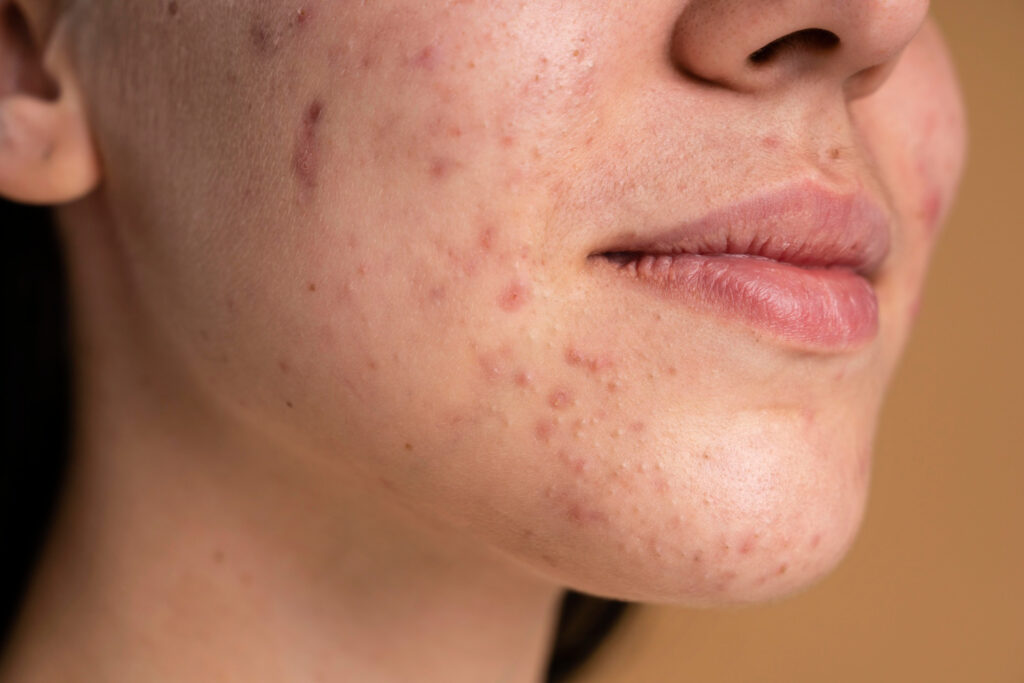
Recognizing the symptoms of acne vulgaris is important. Both modern medicine and Ayurveda describe similar signs. Here are the main symptoms to watch for:
In Ayurveda, these symptoms are linked to excess heat, poor digestion, and toxin buildup in the body. Therefore, addressing the root cause is important.
When to Seek Medical Advice
Sometimes, acne can become severe. In such cases, you should seek help from a doctor or Ayurvedic practitioner. Watch for these signs:
Early treatment can prevent complications. Moreover, it can help you feel better about your skin.
Prevention and Lifestyle Tips
Although acne is common, you can take steps to reduce its impact. Ayurveda and modern medicine both suggest simple lifestyle changes. Here are some helpful tips:
By following these tips, you may notice fewer breakouts. However, results can vary for each person.
Conclusion & Call-to-Action
In summary, acne vulgaris (pimples) shows clear symptoms like red bumps, whiteheads, and oily skin. Ayurveda links these signs to dosha imbalances and lifestyle factors. If you notice severe or persistent symptoms, do not wait. Consult a qualified Ayurvedic practitioner or dermatologist for personalized advice. Early care can help you manage acne and improve your skin health.