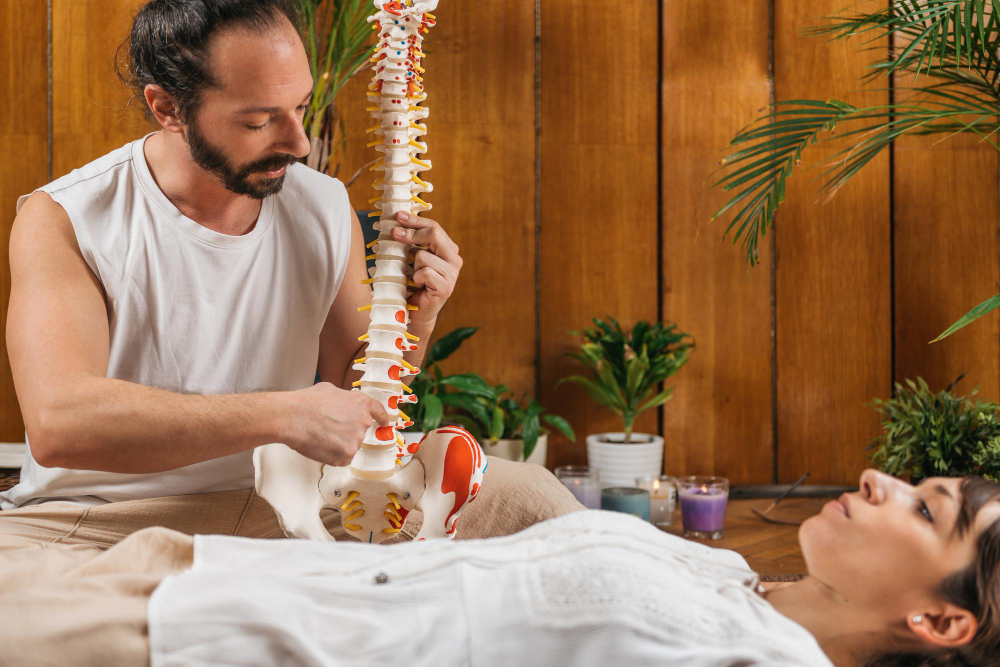
Spondylosis is a common condition that affects the spine. It often causes neck or back pain, stiffness, and discomfort. Many people seek natural remedies for spondylosis to avoid side effects from medicines. Ayurveda for spondylosis offers gentle, holistic care. This ancient system uses herbs, therapies, and lifestyle changes. Ayurvedic treatment for spondylosis aims to reduce pain and improve movement. In this blog, you will learn about Ayurveda for neck and back pain, natural remedies, and self-care tips. You will also find out when to see a specialist for help.
What is Spondylosis?
Spondylosis is a term for age-related changes in the spine. It can affect the neck (cervical), lower back (lumbar), or middle back (thoracic). Usually, it happens when the discs and joints in the spine wear down over time. As a result, bones may rub together, causing pain or stiffness.
Common symptoms include:
Often, poor posture, injuries, or heavy lifting can make spondylosis worse. However, aging is the main cause. According to the World Health Organization, back pain is a leading cause of disability worldwide.
Ayurvedic Perspective on Spondylosis
In Ayurveda, spondylosis is linked to an imbalance of the Vata dosha. Doshas are energies that control body functions. When Vata increases, it can dry out joints and tissues. This leads to pain, stiffness, and weakness.
Ayurveda believes that poor diet, stress, and lack of exercise can upset the doshas. Therefore, restoring balance is key. Ayurvedic experts use herbs, therapies, and routines to calm Vata and support healing. They also focus on improving digestion and removing toxins from the body.
Ayurvedic Treatments for Spondylosis
Ayurvedic treatment for spondylosis uses natural remedies and therapies. These aim to reduce pain, improve movement, and restore balance. Some common Ayurvedic treatments include:
Always consult an Ayurvedic specialist before starting any new treatment. They can suggest the best herbs and therapies for your needs.
Diet and Lifestyle Recommendations
Ayurveda for spondylosis also includes diet and daily habits. Eating the right foods can help calm Vata and support healing. Here are some tips:
For lifestyle, try to:
These habits can help manage symptoms and improve your quality of life.
Prevention and Self-Care Tips
Preventing spondylosis from getting worse is important. With simple steps, you can protect your spine and joints. Here are some Ayurveda-based self-care tips:
Additionally, regular check-ups at Ayurveda clinics in your city can help track your progress.
When to Consult a Specialist
Sometimes, spondylosis symptoms can get worse or cause new problems. You should see a doctor or Ayurvedic specialist if you notice:
Early treatment can prevent further damage and help you recover faster.
Conclusion and Call-to-Action
In summary, Ayurveda for spondylosis offers natural ways to manage pain and improve movement. Herbal remedies, therapies, and healthy habits can make a big difference. However, each person is unique. For the best results, consult an Ayurvedic specialist. They can create a plan that fits your needs and helps you live better with spondylosis.
If you have questions or need guidance, reach out to a trusted Ayurvedic clinic near you. Your journey to relief and better health can start today.